
What is Cold Brew Coffee vs Iced Coffee
We set the stage so you can pick the right chilled cup for your day. One style starts by steeping coarse grounds in cold or room-temperature water for 12–24 hours, then straining a smooth, low-acid concentrate. The other begins with hot coffee that we cool and pour over ice for a bright, aromatic result.
Cold brew often tastes mellow and can feel stronger because it uses more grounds and longer contact time. Iced coffee keeps lively flavors, and flash-brew techniques pour hot over ice to lock in aromatics. Cafés list both since prep, grind size, brew time, and dilution affect cost and flavor.
We will guide you through strength expectations, storage, and easy home setups so you avoid a watery cup. By the end, you’ll know the key difference and which drink suits your routine.
Cold brew and iced coffee defined: how they’re made and why it matters
We break down how each chilled style is prepared so you can match technique to taste.
One method uses brewed hot water poured over grounds, then the cup is chilled and served over ice. Flash-brew pours hot water directly onto ice to lock in aromatics and cool the liquid fast. This approach extracts quickly and emphasizes bright, floral, or fruity flavors.
The other method involves made steeping coarse ground coffee in cold or room temperature water for 12–24 hours. Slow extraction with no heat draws fewer acidic compounds. The result skews smooth, chocolatey, and round and often becomes a concentrate you can dilute later.
- Speed: hot-brew then chill for fast cups.
- Patience: long cold steep for make-ahead concentrate.
- Gear: French press, mesh makers, pour-over cones, or paper filters all work.
| Method | Temp | Time | Typical Flavor |
|---|---|---|---|
| Iced/hot-brew | Hot water then iced | Minutes | Bright, aromatic, higher acidity |
| Flash-brew | Hot water onto ice | Minutes | Clean, vivid aromatics |
| Cold steep | Cold or room temperature | 12–24 hours | Smooth, low acidity, chocolatey |
| Practical gear | Varies | Varies | Adjustable by grind and ratio |
What is Cold Brew Coffee vs Iced Coffee: brewing process, ratios, and time
We map the practical steps, timings, and ratios so you can reproduce consistent results at home.
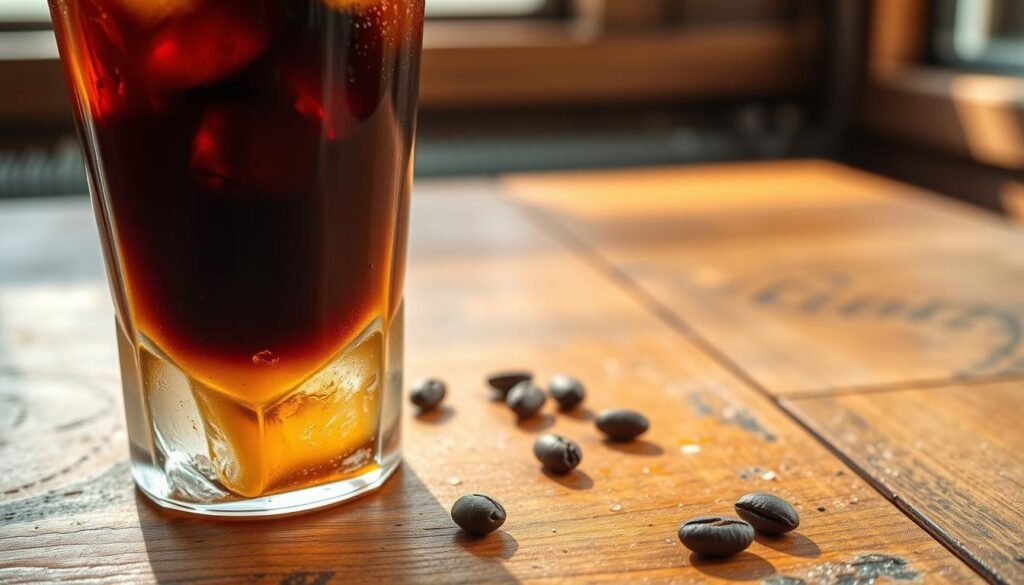
Cold steep routine
Measure coarse grounds like sea salt and bloom briefly to wet the bed. Add cold water at a 1:5 coffee-to-water ratio for a concentrate (for example, 250 g coffee to 1.25 L water).
Submerge all grounds, agitate once, then steep 12–15 hours (up to 24 hours) at room temperature or refrigerated. Strain through paper or cloth and dilute about 1:2 to serve.
Flash-brew workflow
Use a medium grind and brewed hot water at roughly a 1:8 brew ratio. Place measured ice in the server equal to half the final volume.
Brew directly over the ice so meltwater completes yield. Chill fast to lock aromatics and keep acidity bright.
- Grind: coarse for cold, medium for flash.
- Temperature: cold water or room temp for long steeps; hot for quick extraction.
- Timing: long hours emphasize smoothness; short hot time preserves complexity.
| Step | Grind | Ratio (start) | Typical time |
|---|---|---|---|
| Concentrate steep | Coarse | 1:5 (dilute 1:2) | 12–24 hours |
| Flash-brew over ice | Medium | ~1:8 brew water + ice | Minutes |
| Filtration | — | Paper or cloth | Immediate |
| Storage/scale | — | Adjust by yield | Make-ahead weekly |
Flavor, acidity, and mouthfeel: smooth and lower acidity vs bright and lively
We compare how temperature and extraction shape taste so you know what to expect in every chilled cup.
Bold, rounded profile
Long, cold steeping yields a bold, smooth flavor profile with notably lower acidity and chocolatey notes. The extended contact time softens sharp edges and gives a velvety mouthfeel.
Many people prefer this style black because the body and sweetness stand on their own.

Clean, bright, aromatic profile
Hot brewing then rapid chilling preserves complex aromatics and brightness. The result reads as clean and lively, with clearer acidity and floral or fruit notes.
This approach invites milk, syrups, or cream without hiding nuance.
What shifts the taste
- Beans and roast: medium to dark roasts deepen body for long steeps; aromatic single origins shine when brewed hot.
- Grind and extraction time: coarser grounds and long contact favor smoothness; finer grind and heat favor clarity.
- Dilution and chilling: pre-chill, flash-brew over measured ice, or use frozen coffee cubes to avoid a watery cup.
| Variable | Effect on flavor | Practical tip |
|---|---|---|
| Roast | Body vs brightness | Medium-dark for steep, medium for hot-over-ice |
| Grind | Extraction rate | Coarse for long steeps, medium for flash |
| Dilution | Perceived strength | Adjust concentrate or use coffee ice |
Caffeine and strength: understanding the difference
Let’s untangle how grounds, contact time, and dilution shape caffeine and perceived strength.

Why longer contact often raises caffeine
Extraction of caffeine happens without heat, and longer steeping pulls more soluble compounds. Using a higher grounds-to-water ratio and extended time often yields more caffeine per batch than a quick hot brew that becomes iced.
Managing concentrate to control strength
We recommend making a cold brew concentrate and diluting in measured steps. Start with a 1:2 dilution and adjust until the cup matches your taste and wakefulness needs.
- Higher ratio and long steep = higher caffeine and fuller body.
- Adjust concentrate-to-water for consistent weekday batches.
- Account for serving size: small changes in dilution change caffeine per cup.
| Factor | Effect | Practical tip |
|---|---|---|
| Grind & ratio | More grounds raise extraction and caffeine | Use measured grams per liter for repeatability |
| Contact time | Long steeps extract slowly but steadily | Steep 12–24 hours, then taste and dilute |
| Ice and dilution | Melting dilutes strength in iced coffee | Flash-brew over ice or use measured concentrate |
How we brew each at home in the U.S. right now
Our kitchen-tested workflows keep mornings simple while preserving flavor for both long steeps and fast hot-over-ice methods.
Step-by-step cold steep
We weigh coarse grounds and mix at a 1:5 ratio for a concentrate (250 g : 1.25 L). Bloom briefly, stir to submerge, then cover.
Steep 12–15 hours (up to 24) in the fridge or at room temperature. Strain with a French press plunger, paper filter, or cloth for a clean cup.
Store cold brew concentrate in a sealed bottle for up to 10 days and clean gear after each batch.
Step-by-step iced routine
We brew hot directly over measured ice (half water, half ice in the server) to hit yield and chill fast. This locks aromatics and slows oxidation.
Choosing beans, grind, and common pitfalls
- Grind: coarse for cold brew; medium for iced.
- Roast: medium-dark for fuller body in steep; fruit-forward for hot-over-ice.
- Pitfalls: over-extraction from hot water tastes bitter; weak ratios yield a watery cup; stale equipment dulls flavor.
| Step | Target | Tip |
|---|---|---|
| Steep | 12–15 hours | 1:5 concentrate, dilute 1:2 to serve |
| Flash brew | Minutes | Brew over ice, chill immediately |
| Storage | Up to 10 days | Seal bottle, keep cold |
When to pick cold brew vs iced coffee for your taste and routine
Choose your chilled routine by matching preparation to the flavor you crave. For low-effort mornings, a cold brew concentrate gives smooth, lower acidity and easy make-ahead service that fits tight schedules.
If you want a quick, bright cup that highlights bean aromatics, brew iced coffee fresh or use a flash-brew over ice for vivid clarity. That route rewards single-origin beans and lively tastes.
Keep caffeine in mind: cold brew often runs higher due to stronger ratios and long contact time, so plan your cup accordingly. We also recommend trying both methods side by side, note which flavors you prefer, and let that guide your daily choice.